


— Dostavleno LLC appeared in May 2020. Our profile is express delivery of groupage cargo, postal items with the possibility of cash on delivery and delivery of documents throughout Belarus. I invested in the company in 2021, and since then we have been developing it under the Delivery24 brand. By the time I arrived, the company served a little more than a dozen customers, had three cars, and employed three employees in the warehouse and four in the office.
Competition in delivery is fierce: the fight is for every penny per kilometer.
Finding a way to “reduce” this penny is, to put it mildly, not easy. Especially with rising fuel prices and low business turnover. But we succeeded.
What problems prevented the company from growing?
I was invited to the company to further automate work processes. By the time I arrived, employees were already using:
- Accounting system. It was a rental program that made it possible to work with a licensed version via the Internet for a small monthly fee, but had limited functionality.
- Google Docs service for receiving orders and creating a general delivery list.
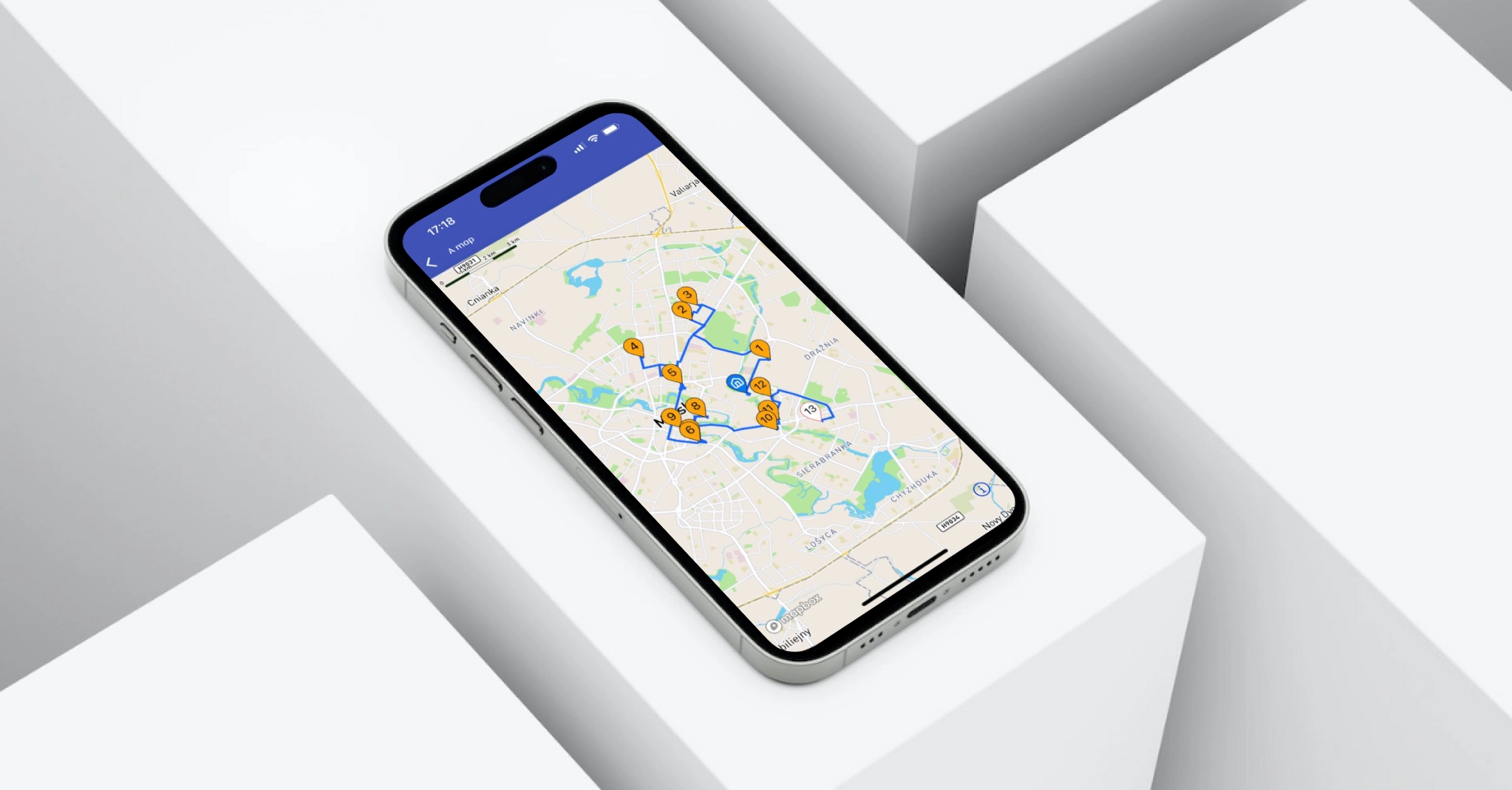
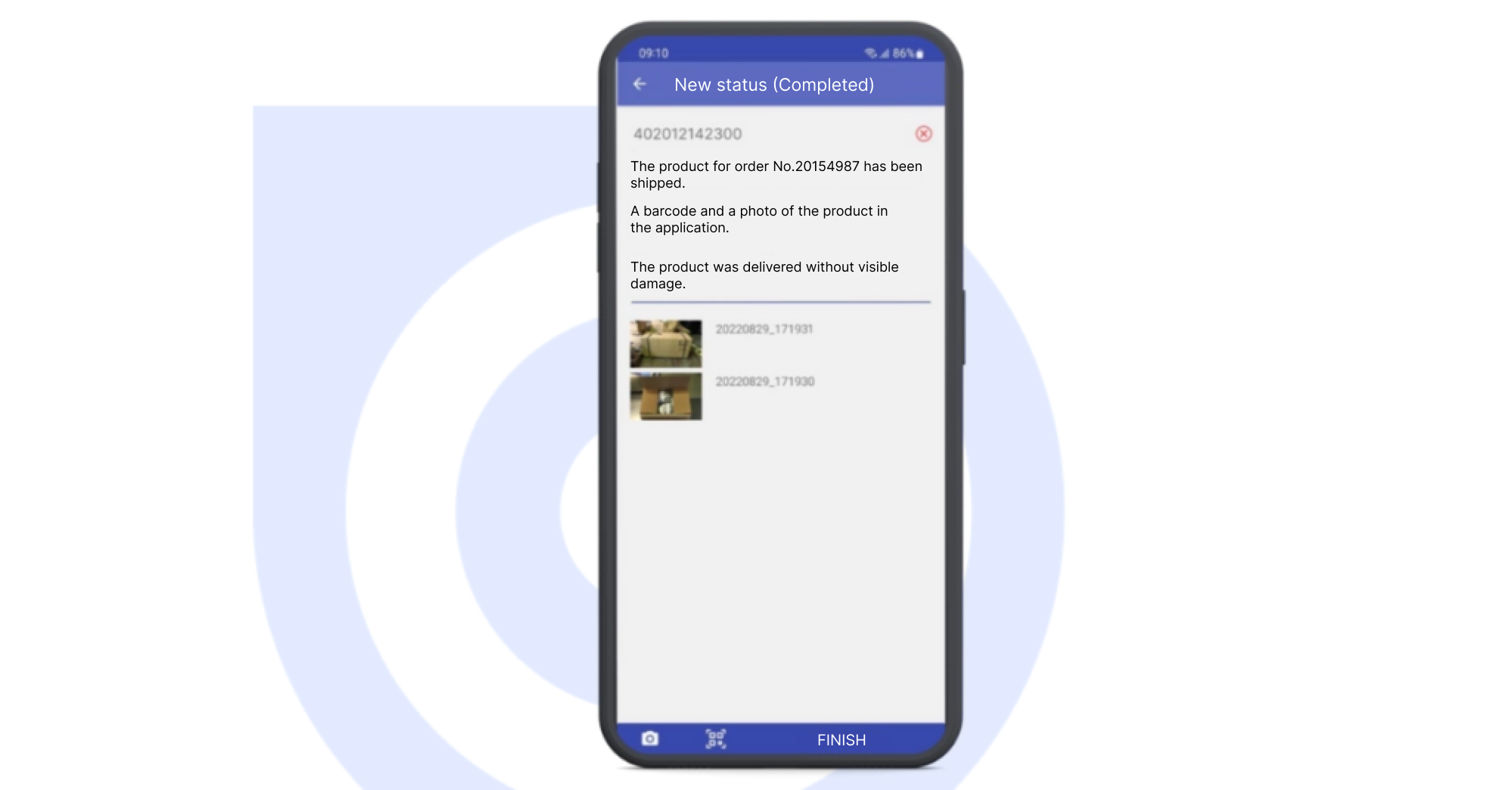
- Infinium Logimus system for generating routes. Employees did not fully use this tool because they did not know all its functions. For example, they did not use temporary delivery intervals, depot points for transit vehicles, the product part in the mobile application (they did not record defective goods in the photo), etc.
What the process looked like
Customers placed orders in a spreadsheet via Google Docs. There were mistakes: the client could change the order information, but forgot to warn, and the car was already on the way. Employees processed orders from an Excel spreadsheet manually and loaded them into Infinium Logimus. The system generated route sheets that were sent to the mobile application to drivers and to the warehouse.
There was no connection between the accounting system and the route building system. After trips were completed, the accountant kept records manually.
This set of software is not enough for the efficient operation of a company in which logistics plays an important role. Even with more people, we would not have moved to a higher level, but rather would have encountered new errors and costs. Processes remained disjointed, non-standardized and largely manual:
- We did not have management accounting and detailed reporting: information about mileage, loading of warehouses, vehicles, etc. In other words, there was no data that could be automated and thereby grow in the future.
- There was no set time for accepting orders or a clear delivery schedule. Specialists had to keep information about each item on the list in their heads.
- There was no place to record and take into account the weight and dimensional characteristics of the cargo. Because of this, standardized tariffs for customers could not be implemented.
- Drivers carried out route assignments without any control and therefore improvised on the roads, which led to inflated fuel consumption, delays, and difficulties in interacting with customers. All this was “settled” in endless negotiations with dispatchers.
- Customers wanted to know where exactly the driver was and how soon the package would be delivered, but there was no technical capability for this.
Improvement of business processes
To eliminate the problems, we started improving business processes.
The first thing we thought about was the regulations for cargo transportation and the provision of postal services. They described everything about the types and dimensions of cargo, work schedule, filling out applications, packaging and labeling of shipments, etc.
Then we created timelines for each business process. First of all, we adjusted the time for submitting orders and their processing. This solved the problem of changes in order information (the client may want to change the address, pick up not three items, but two).
Now delivery begins only when all previous stages have been completed.
Processes running in parallel remain only in the warehouse.
We also created instructions for employees: the first one is general for each department – transport workers, logistics, sales, accounting and warehouse, and then detailed for each position.
Exiting “manual mode”
Then we started automation and carried it out in several stages:
- Implemented an ERP-system.It includes delivery schedules, tariffs and discounts, a list of additional services and much more.
- On the basis of the same ERP we organized:
- inventory control,
- receiving and marking orders,
- measurement of cargo dimensions and calculations.
3. To keep all operations connected, ERP was combined with an accounting program. All management information was downloaded from ERP (transportations completed, discounts under contracts, waybills with data on them) and automatically entered into the accounting system.
It took us a year to do all this. But we didn’t stop:
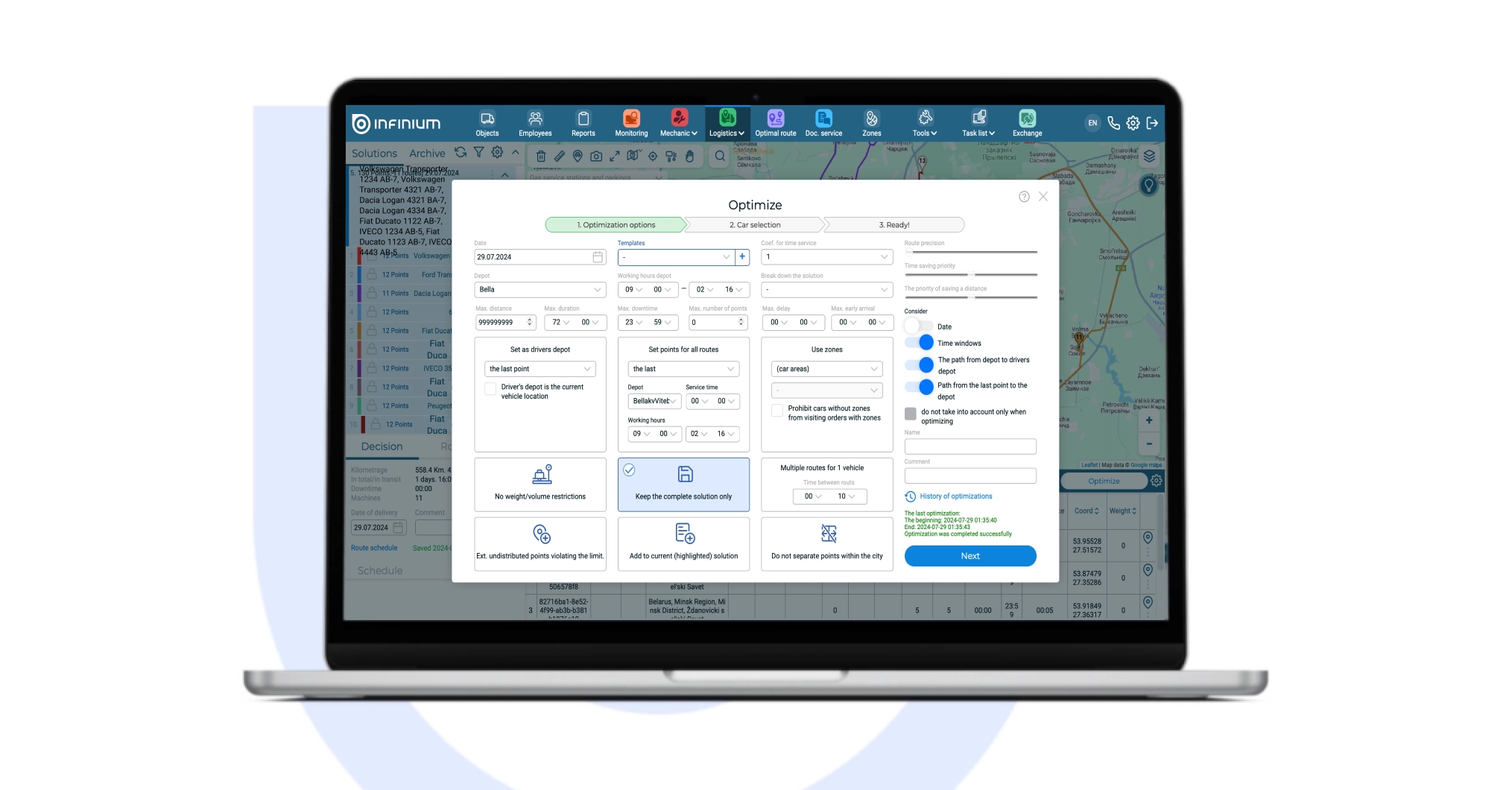
- We continued to analyze the work and realized: the route optimization system we installed, Infinium Logimus, had never been fully used. To start using the product correctly and effectively, we turned to the integrators and developers of this platform. To its credit, Infinium Logimus has proven itself to be a flexible product with the possibility of improvements. Some were introduced specifically for us, some we proposed to make basic, because, in our opinion, they were useful for the entire industry.
I will not hide that updates to the interface sometimes caused resistance among employees.
- We started using all the features of the mobile application from the same company – barcode scanning, product part, built-in driver cash register, etc.
- All cars were equipped with GPS-trackers that monitor movement: if the driver deviates from the original plan, the system reports this.
In order to set all this up, we ordered business support from the Infinium Logimus team. The integrators took into account the specifics of our company’s work and offered a comprehensive service: providing access to the software, support for its implementation and external audit.

As a top manager, this taught me not to try to do everything on my own; it can be useful to seek the help of specialists and use adapted ready-made solutions.
“We were forced to replace all logisticians and the head of the transport department”
It was only after paying close attention to automation that noticeable changes began to take place. It turned out that old employees were not ready to accept new processes. We were forced to replace all logisticians and the head of the transport department.
To make the adaptation of the remaining employees easier, I had conversations with each of them:
- I tried to ensure that the decision on the need for changes was not so much mine as “ours”, a joint one.
- I took some employees on “tours” to larger companies to show them how we should grow.
Still, the main condition for business growth is the desire of the performers and interest in the results.
Many employees who stayed with us grew in their positions because… their managers did not want to accept the changes and left the company. For example, our current head of shipping used to be a freight forwarder.
How the company works now
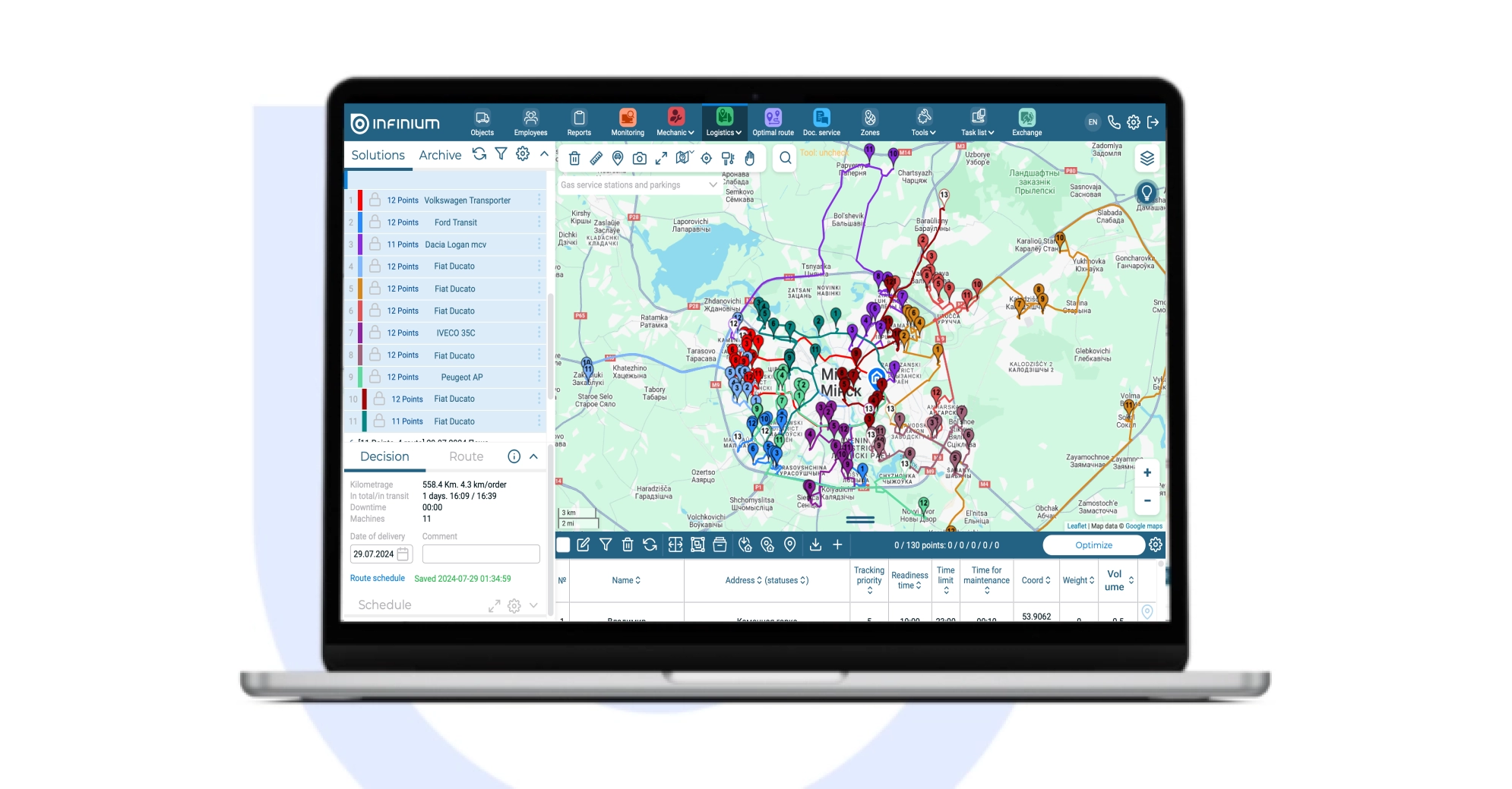
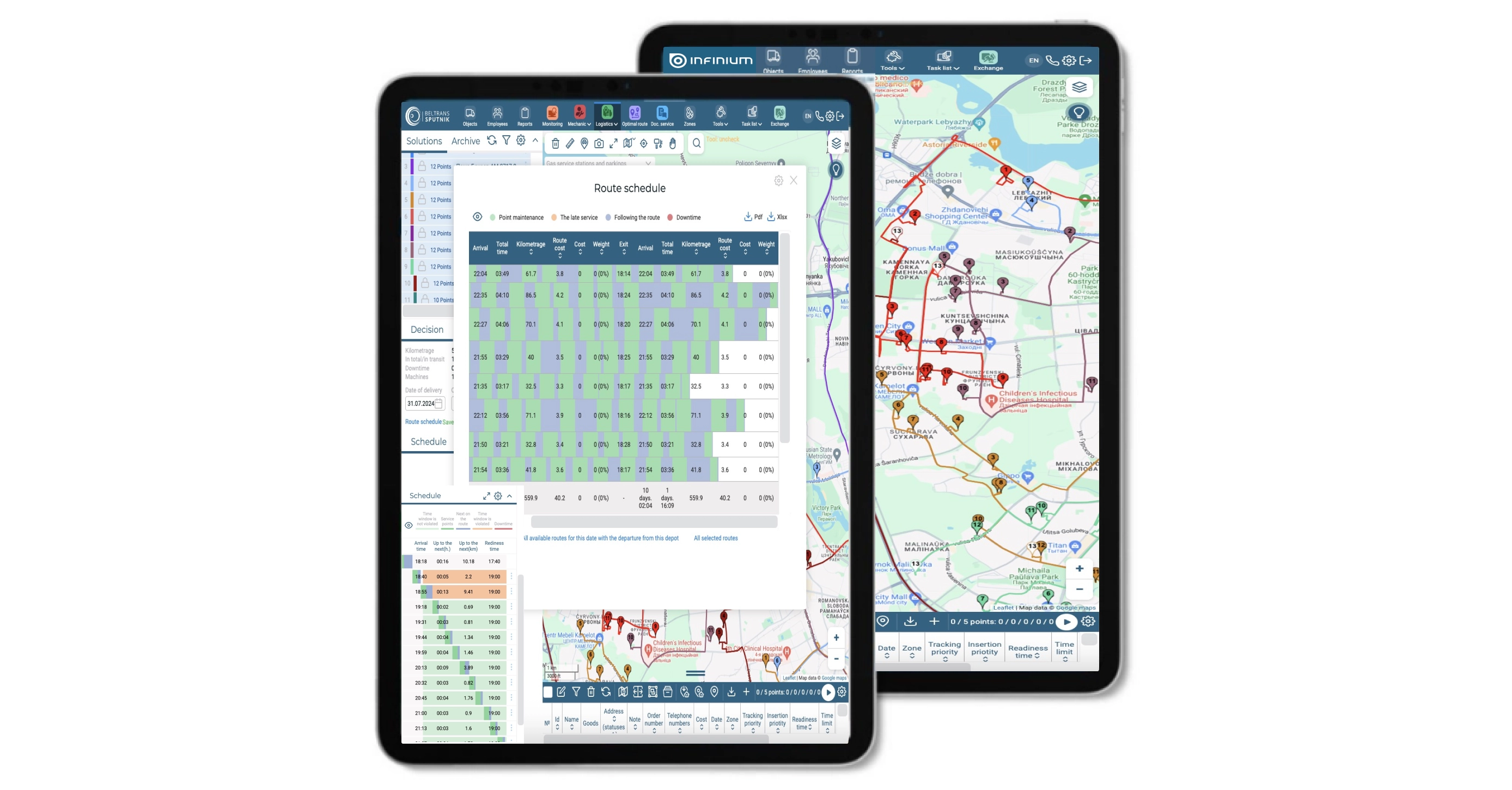
Full implementation of the innovations took about another year. Now logisticians upload tasks into the system, make settings, and receive generated routes in a matter of minutes. They can track online whether it is possible to fit another point into an existing trip. If yes, then the route is automatically rebuilt, and the courier receives a notification in the application. A year ago we couldn’t even imagine this.
We have been opened up to a solid automatic control of drivers’ actions. The application itself tracks the time they spent at each point and all deviations from the schedule.
Drivers also benefit: they have convenient navigation, electronic reporting and document flow, photographic recording of defective goods and invoices, and other useful features.
A godsend for colleagues was the built-in Telegram bot, which configures notifications based on various parameters. In the event of force majeure, the manager responsible for the client receives a message about the problem that has arisen with the courier’s comment.
Profit from automation
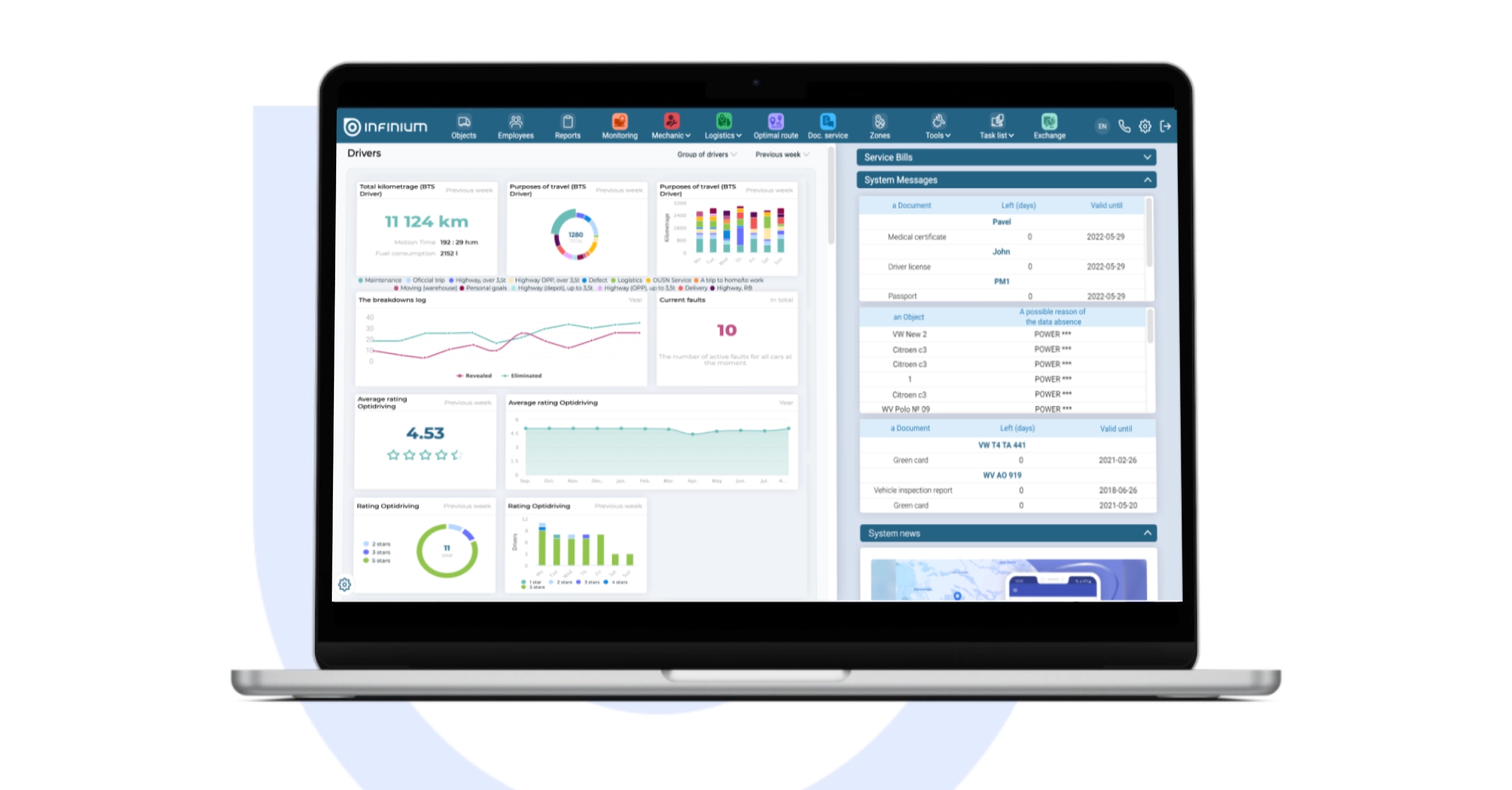
Automation has paid off. The Infinium system not only reduced the time for building routes taking into account delivery zones, but also provided management accounting. Management received diagnostic analytics of all stages of delivery, logisticians received exemption from some operations, drivers received a mobile application with many functions, customers received a feedback service with information about the status of the order.
Now Dostavka24’s own fleet of vehicles consists of 10 cars, and taking into account hired ones, more than 25 cars can be sent on flights at the same time. Fifty people are employed in the office, vehicle park and warehouse terminal. All this provides us with wide coverage and short delivery times. The average number of orders per trip increased by 10%.
We managed to “beat ourselves”:
15% – on the number of hired vehicles involved in delivery;
20% – on kilometers traveled;
35% – on the number of flights;
35% – on the time spent on delivery.
An important point in which automation helps us is regular monitoring of the level of service, which indicates how quickly and comfortably our clients are served. We measure it weekly. The system allows you to accurately compare the order plan and its actual execution, as well as track the reason why a particular order was not completed. For ourselves, we have established that a value below 95.5% is alarming, from 95.5% to 96.5% is normal, from 96.6% to 98% is an excellent result, and above 98% is simply stellar. We are staying normal above. The worst result—88%—occurred only once.
Our plans for 2023 include the development of new transport directions in Russia and Kazakhstan, an increase in the number of clients, staff and vehicle fleet, and more active work in the same-day delivery segment in Minsk.