

Is it possible not to increase the cost of goods for the end customer and at the same time reduce your costs?
According to the Ministry of Statistics, 41% of cargo in our country is transported by road. All goods that a consumer receives at the doorstep of his home or on a store counter do not travel the shortest route. Taking into account changes in supply chains, this path has become even longer. And it is important at each stage of the movement of goods to the final consumer not to create new costs that will affect the final cost.
Many markets have become closed for importers and they have to change suppliers to more relevant ones that are able to satisfy the needs of the market while maintaining the same quality, but at the same prices. For the sake of all this, it is worth taking into account the latest introduction of measures to curb price increases by the regulator.
The task for a local business is not at all easy. After all, it is important to maintain the profitability of the enterprise not just for its preservation, but also for the possibility of further growth. Timely detailed explanations from the regulator and experts are very helpful. These clarifications specify what the business needs to work on and how, freeing them from searching for answers and giving them the opportunity to deal with no less pressing problems.
So what about supply chains?
Let’s say we have found an alternative for the goods to arrive to us. Costs have definitely increased and one of the ways to reduce costs is to analyze the current activities of companies.
Now more than ever, the issue of optimizing business processes is becoming one of the top priorities. Anyone who continues to ignore this will simply be crushed by the new large aggregator players from the Russian Federation or simply will not be able to compete on price with competitors who turned out to be more proactive and simply “faster”.
Due to high turbulence, a large number of uncertainties and a very short planning horizon, there is simply no point in implementing long-term projects. It is necessary to eliminate first what will give the fastest effect.
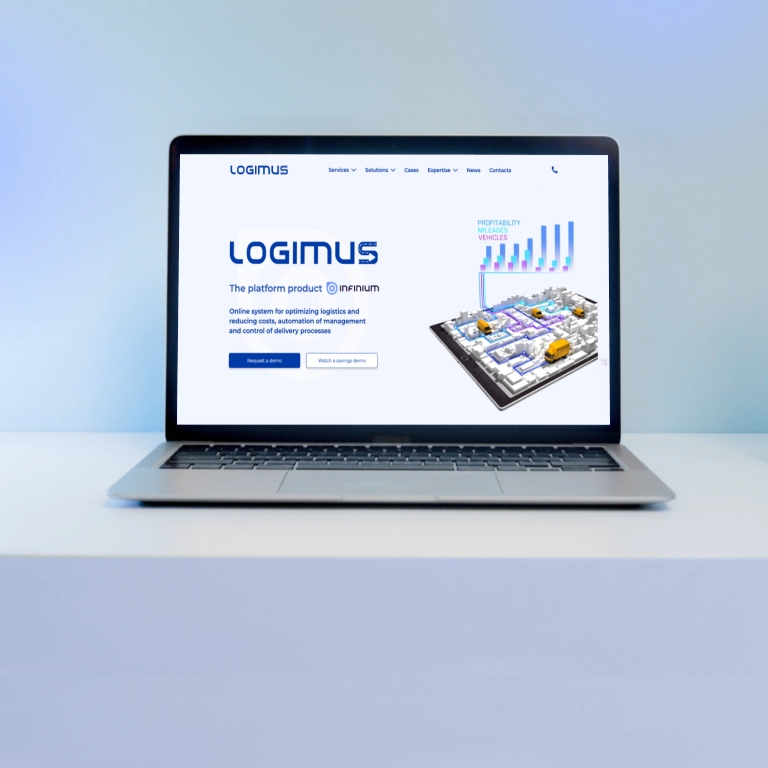
Here, the best way to make a decision will be an assessment taking into account ROI, where the effect of the investment will be immediately visible. And such a solution for many companies will be to optimize the work of the logistics department. And we are not talking about accounting systems or ERP. We need full integration and integration of best practices into a specific business of a suitable TMS system.

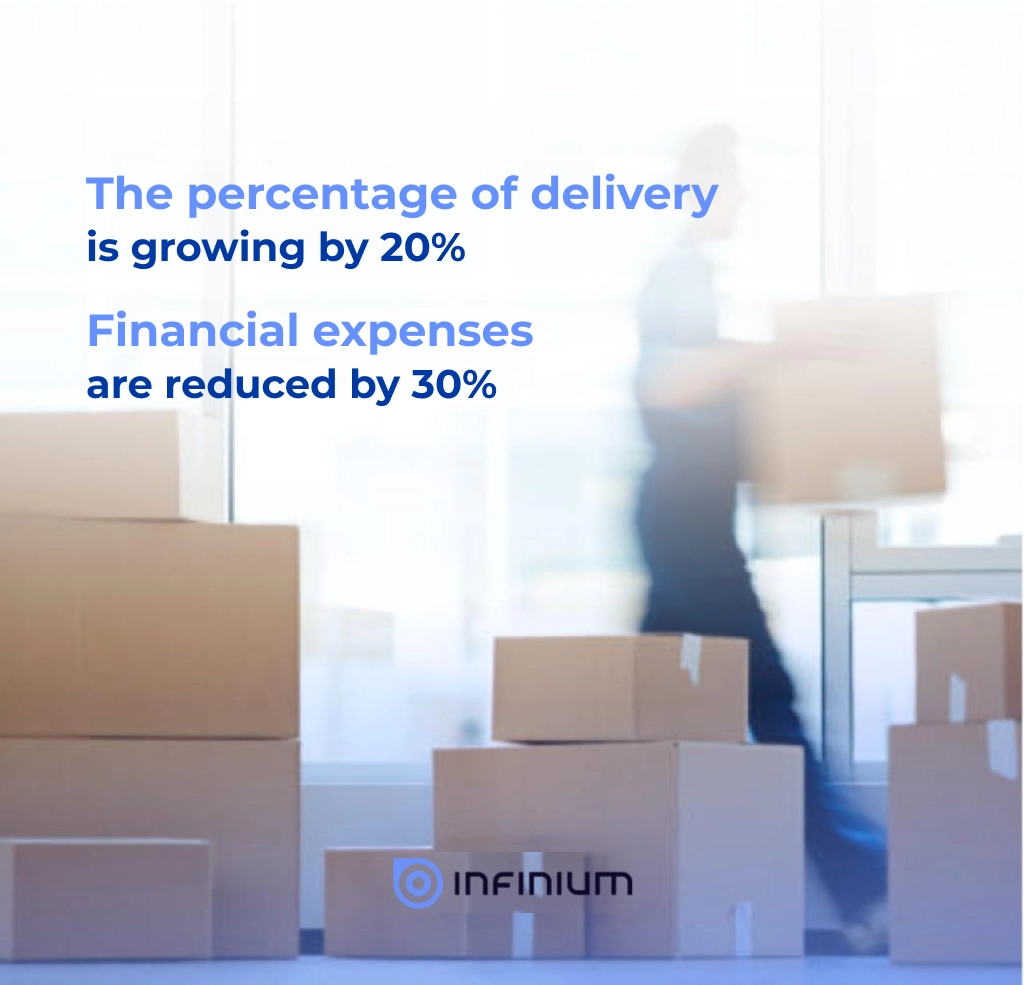
Today, many companies build automation around performers and rather for their needs, rather than for business purposes. We are talking about simplifying the work of employees, but not about making economically better decisions. Our experience shows that most of the market does not use tools that today can reduce transport costs by up to 20% simply by starting to use routing not with the hands of a logistician, but by transferring it to artificial intelligence.

Today, logistics forwarders receive information about the quantity of cargo and delivery addresses, then distribute them among vehicles and most often the driver himself, based on his experience, decides how to drive and in what order. Sometimes the forwarder decides for him, but again from his own experience. And drivers are assigned to specific sectors in which they deliver. And this seems logical to everyone, because if there is a long line for unloading at one hypermarket, you can move to the one nearby, unload there and then return back. Yes, there are overruns, but all the goods have been delivered and the final task has been completed.
But is everything so good?

Of course not. Dividing delivery areas into sectors solves only the problem of missing deadlines and queues, but not the optimal completion of the entire work task. A local maximum does not lead to a global maximum. It’s like the movement of a chain, where the overall result is determined by the one who closes it last.
Routing in the head of a driver or forwarder is built within his limited capabilities, but it is worth paying tribute to the amount of information that they have to retain and use every day in their work.
Automatic routing, taking into account all significant criteria (delivery time, size and weight of cargo, actual traffic flow, type of delivery vehicle) is capable of producing the best of all possible solutions, even taking into account weather conditions. And the division into sectors discussed above only limits the ability to achieve more tangible results.
The best thing about all this is that this is not some kind of separate development or complex solution like SAP or Oracle. This is a cloud platform that can be implemented in 1-3 months. And the investment in it will be returned in the first month of use.
But here you need to be very careful. Simply leave the study of how to do this to specialists who are already overloaded and deformed by their talented and complex work. The task of any performer is to maintain what is now and there is absolutely no time left for improvements. Therefore, setting a task to a logistician, find and connect to us, is a Sisyphean task, a task doomed to failure. This is like self-medication, where the performer simply does not have such expertise, he does not know how to read test results, he does not know which course of treatment will exactly help achieve the desired effect. This is a consistent and verified work where you need to have a screening of business processes, understand the anamnesis taking into account all the specifics and experience in solving similar problems. And then, literally in a month, any TMS can take off within any, even the most procedural company, and quickly bear fruit.
Routing is just one way to reduce costs
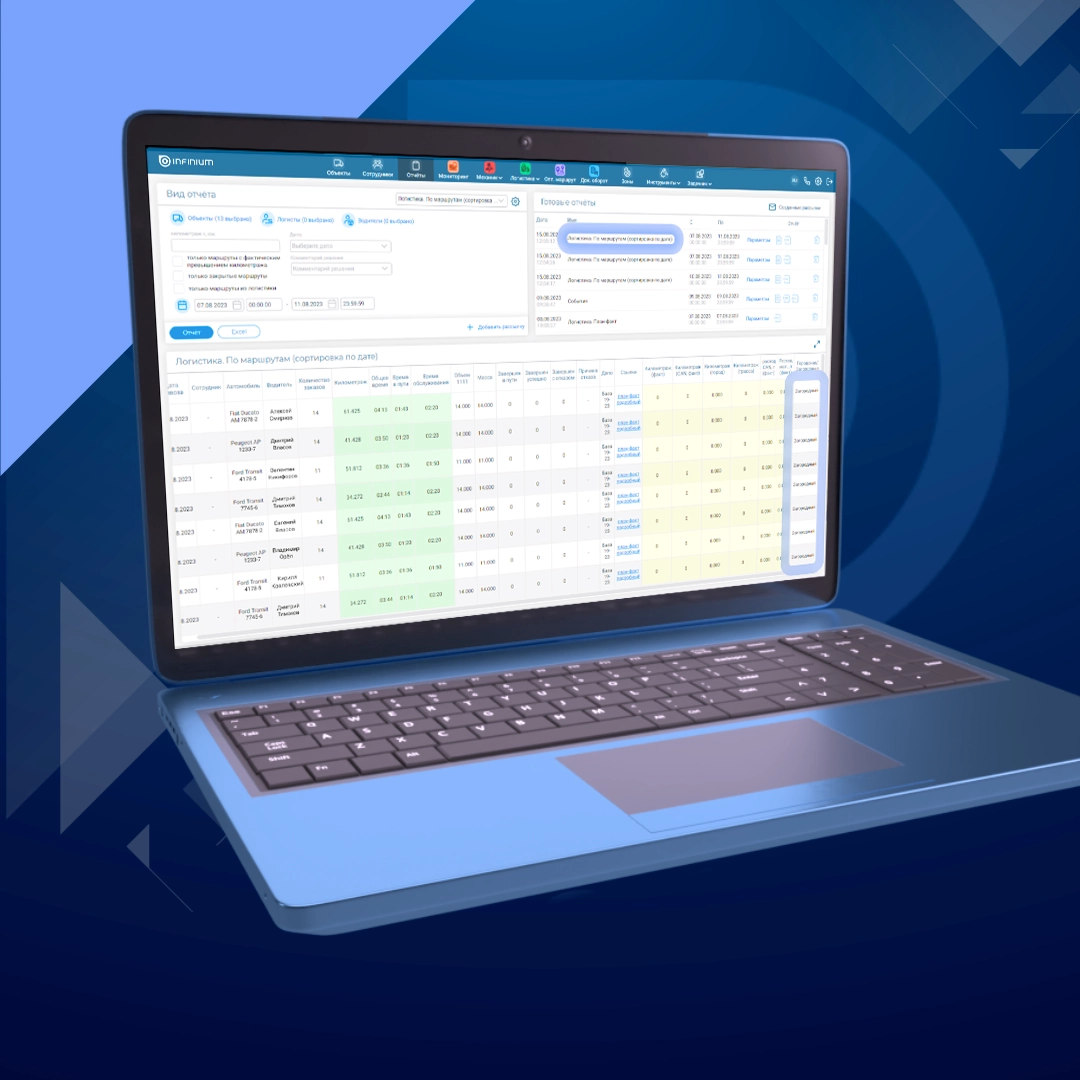
Our experience of working with hundreds of companies has confirmed a cost reduction of at least 20%, and this is only in terms of fuel and the number of vehicles capable of performing the same volume of tasks, but much faster. Working with such systems makes the work of a logistician more valuable, because he has a dashboard with which he is able to make better decisions taking into account a large number of significant variables.
A set of tools that can have a great effect is much broader; there are ways to quickly optimize the work of drivers, mechanics, and communications between the warehouse and accounting department. And this is what we need to pay attention to now.